
Math, Meaning, & Message
Smith College · Mathematical Sciences · MTH 305 · Spring 2026
Writing and communicating your thoughts is a skill you will need in just about any career you pursue — including a career in a mathematical field. Mathematics has long been celebrated as the language of the universe. As a subject, we love its elegance, permanence, and ubiquity.
Through language — symbols, writing, talk — we strive to communicate its beauty and its relevance to a variety of audiences. The purpose of this course is to develop your reasoning, writing, and presentation skills in the context of mathematics, as well as to help you find your own voice in this field of study.
An important objective of any mathematician is to learn to deliver their message and professional and personal insights in a way that makes sense to its intended audience. This course will run as a team-based learning class which will help you learn to work as partners.
To be an effective communicator, we will hone our skills in three dimensions: message (content), presenter (speaker/writer), and audience (reader/listener).
This course asks: Who gets to be a mathematician? How does mathematics participate in structures of power and belonging — and how can our voices reshape that?
What’s the class about?
Projects & Presentations


Fibonacci Sequence
Alan Turing
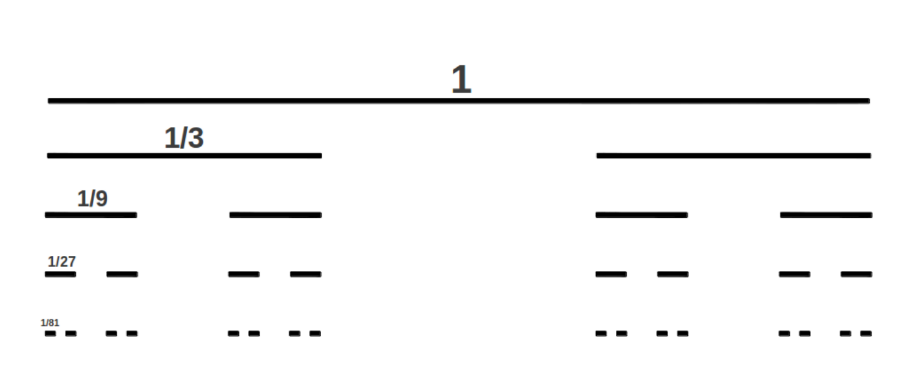
The Cantor Set
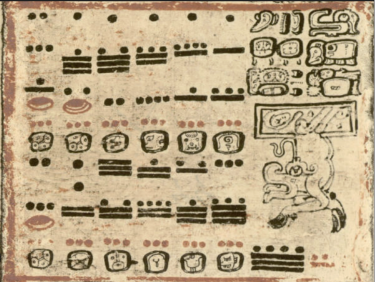

Marie-Sophie Germain
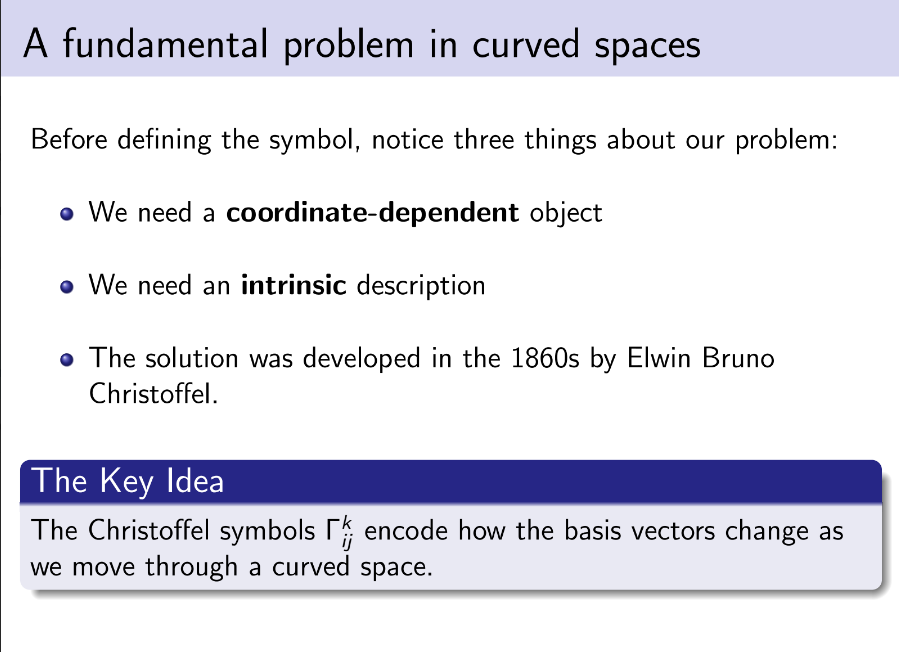
The Christoffel Symbol

The History of Zero

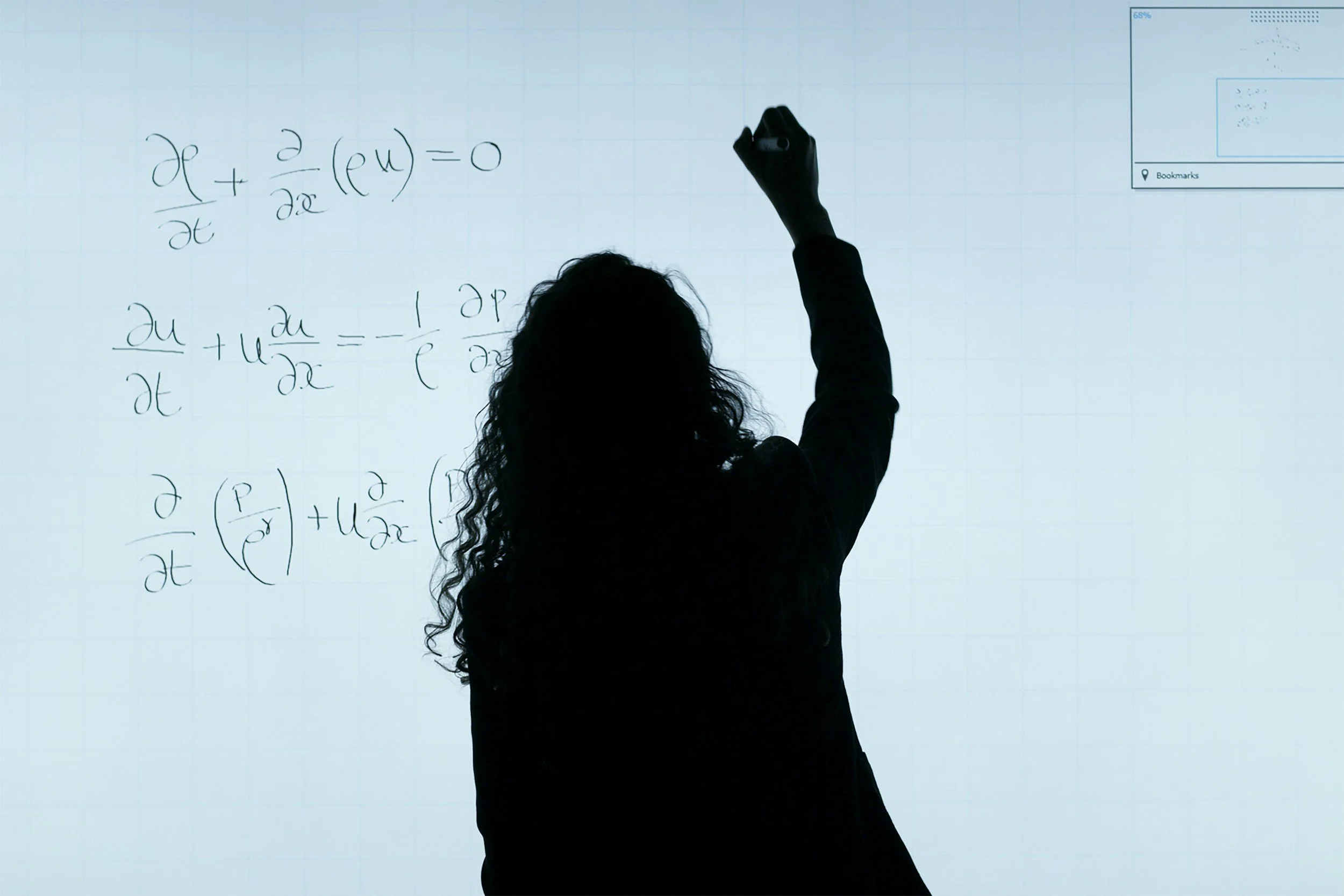
YouTube Videos
Modular Arithmetic Lesson
Math, the Silent Oppressor
Numeral and Number Systems

Breaking Things Up

Your Phone Flash is On
Learning Outcomes
Communicate mathematical ideas with clarity, coherence, and logical rigor — from concise proofs to extended expository writing — while engaging audiences effectively.
Examine the cultural and historical context of mathematics, recognizing how practices are shaped by societal traditions and exploring pathways to broaden inclusion and access.
Adapt mathematical writing for diverse audiences — including peers, general readers, and scholarly communities — demonstrating control of genre, tone, and purpose.
Reflect on the role of mathematics in society and in your own intellectual journey, articulating connections among mathematics, identity, and ways of knowing.
Engage in collaborative research and presentations, effectively communicating mathematical inquiry in written and spoken forms.
Foster curiosity and wonder through mathematical storytelling and creative strategies that make abstract concepts comprehensible and compelling.
Collaborate ethically and constructively, participating in peer review, co-authorship, and discussions that enrich mathematical understanding and writing practices.